Jun 4, 2026·Taking an IQ TestTimed vs. Untimed IQ Tests: What Changes?
Timed vs untimed IQ tests: learn what timing changes, when speed matters, and why test conditions affect how an IQ score should be interpreted.
Dr. Russell T. WarneChief Scientist
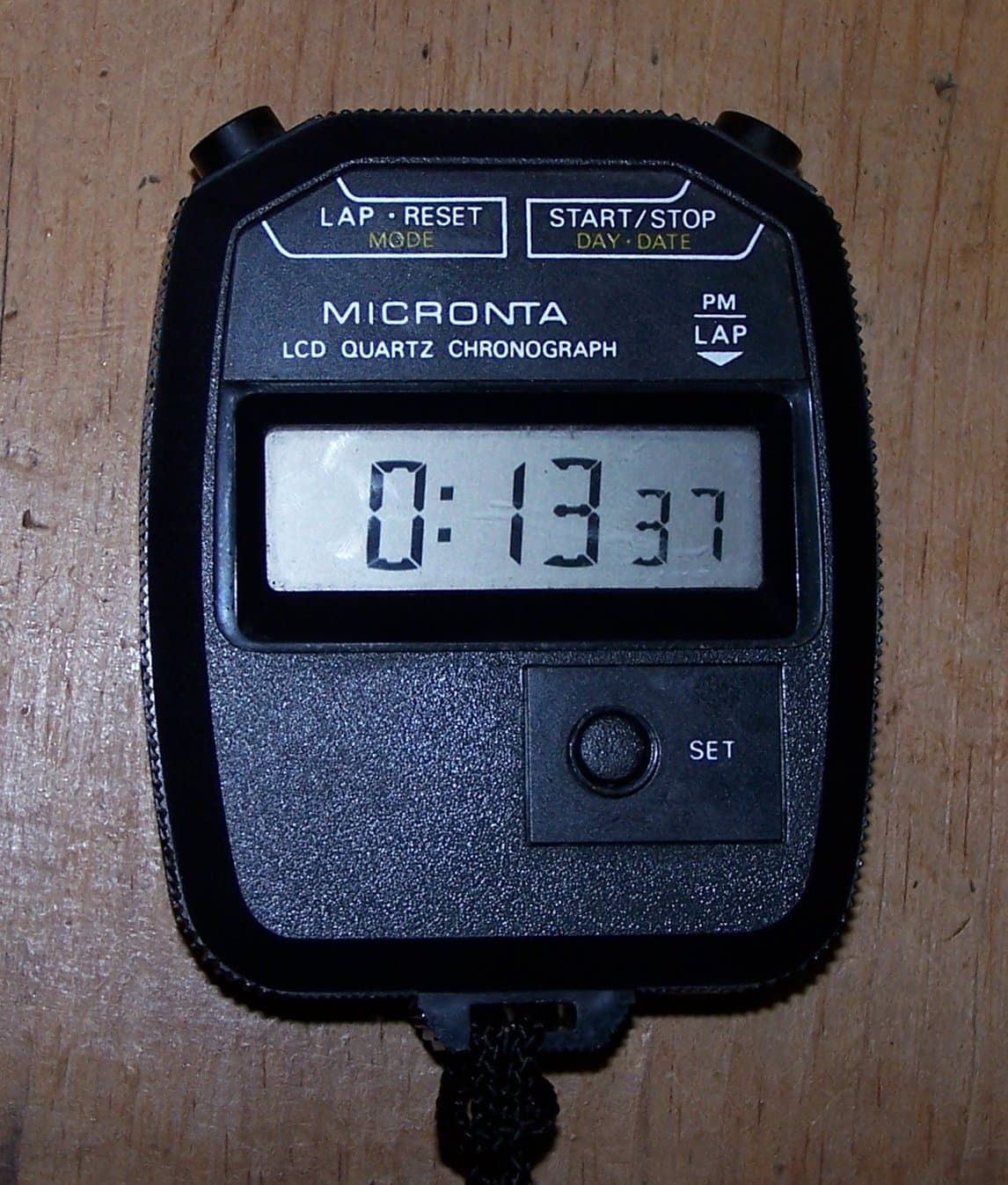
A timed
IQ test measures performance under a time limit. An untimed test gives more room for careful problem solving. Neither format is automatically better; the meaning depends on what the test was built to measure and how it was normed. The important point is that timing is not a small cosmetic detail. It changes the task. Speed, attention, anxiety, fatigue, and confidence can all play a larger role when a clock is part of the measurement setup.
The Short Answer
Timed tests ask, in part, how efficiently you can solve the task under controlled pressure. Untimed tests ask more about what you can solve when speed is less central. Those are related questions, but they are not identical. This is why the fairest comparison is not timed versus untimed in the abstract. The fairest comparison is whether the score was compared with people who took the same test under the same timing rules.
What Timing Adds
Time limits can be useful when the construct includes efficient reasoning. Many cognitive tasks are not just about whether someone can eventually solve a problem; they are also about whether someone can solve it accurately without unlimited trial and error. Timing can also reveal practical differences in attention and pace. A person may understand the rule but lose accuracy near the end of a section. Another person may solve fewer items but make fewer careless mistakes. The score is shaped by both ability and conditions.
What Untimed Testing Changes
Untimed testing can reduce pressure and give a clearer look at slow, deliberate reasoning. That can be valuable when the goal is to understand how someone approaches complex problems rather than how fast they work. The tradeoff is that an untimed format can also change what the test measures. More checking, more persistence, and more strategy use may enter the result. If the
norms came from timed administration, an untimed score should not be interpreted as if nothing changed.
A Fair Way to Compare Them
Compare timed and untimed results by checking five things: 1. Were the instructions the same? 2. Was the score normed under those same timing rules? 3. Does the test claim to measure speeded reasoning, careful reasoning, or a broader mix? 4. Were there interruptions, accommodations, or device issues that changed the session? 5. If you are planning a session, RIOT's guide to
how long an IQ test takes gives a practical time expectation; for setup basics, see
how to take an IQ test.
What People Usually Get Wrong
A timed test is not just a race. Good timed tests still need valid items, appropriate difficulty, clear instructions, and a scoring model that matches the condition. An untimed test is not automatically more accurate either. Removing the clock can reduce one source of pressure, but it can also make the result less comparable if the test was designed for timed use. Retaking a similar timed section can also introduce a
practice effect, especially if the person becomes familiar with the item format rather than the underlying reasoning demand.
Bottom Line
Timed and untimed IQ tests answer different versions of the same broad question. Treat timing as part of the test design, not as an incidental detail. If the conditions changed, the score interpretation should change too.
Sources
Take our professional IQ test
Want to know your IQ? Try the first ever professional online IQ test.
AuthorDr. Russell T. WarneChief Scientist
