Sep 10, 2025·General IQ & IntelligenceEQ Test
Learn about popular EQ tests like MSCEIT, SREIT, TEIQue, and TMMS, their research support, overlap with IQ and personality, and debates over emotional intelligence.
Dr. Russell T. WarneChief Scientist
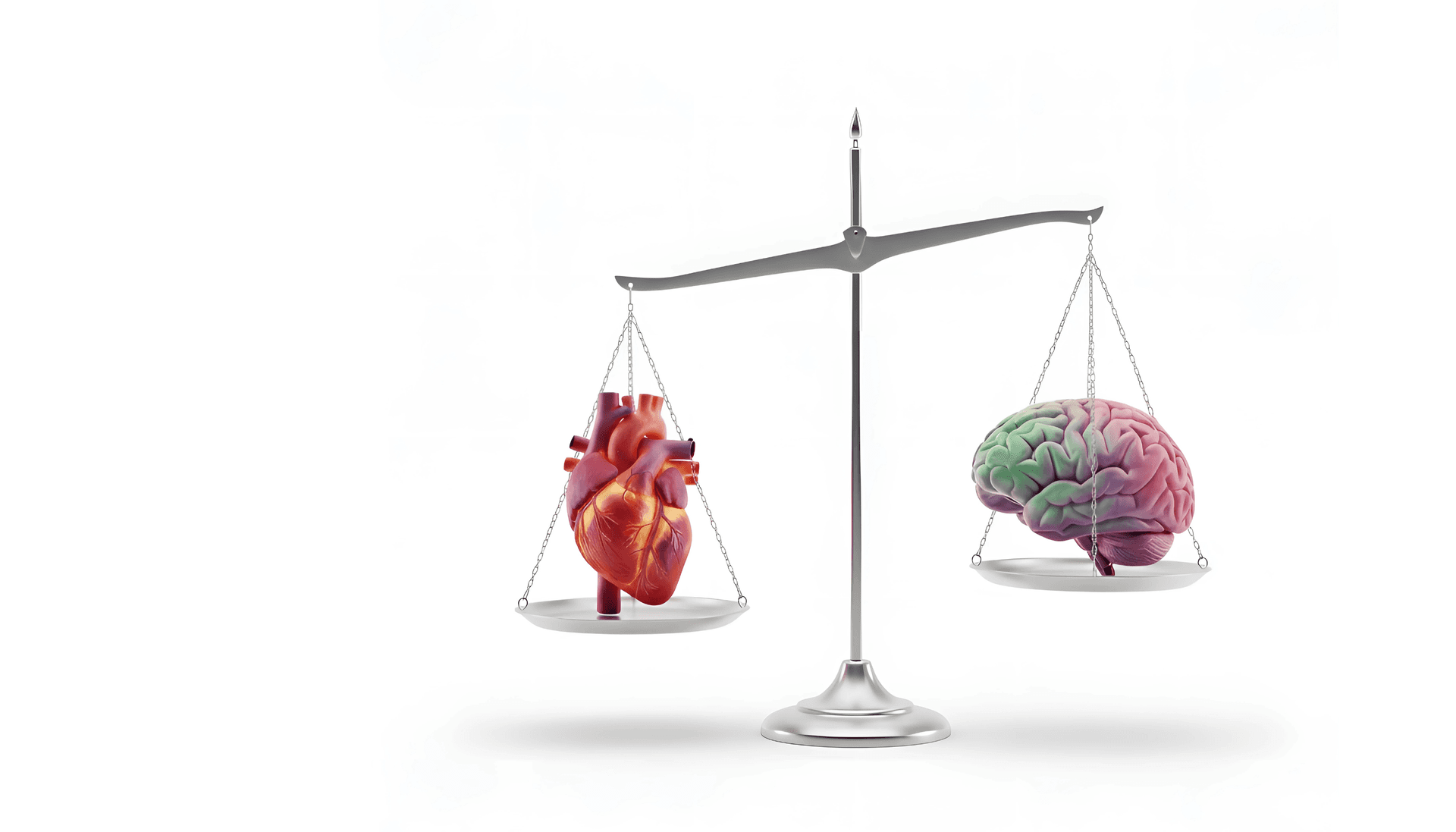
One popular idea in recent years has been “emotional intelligence.” In contrast to traditional views of intelligence, theories of emotional intelligence which are seen as an alternative to traditional theories of intelligence that focus solely on cognition. Creators of IQ tests based on traditional theories of intelligence (like IQ test) acknowledge that their tests do not cover the emotional components of decision making and thinking. This has led to an opening for other scientists to create tests to measure multiple intelligence, many of which are informally called “EQ tests.”
Like IQ tests, there are a variety of EQ tests available to people interested in measuring emotional intelligence. It’s not feasible to describe every one, but here are some of the most popular EQ tests:
The Mayer-Salovey-Caruso Emotional Intelligence Test (MSCEIT): This is a test created by the world’s leading emotional intelligence theorists. It aligns with their definition of emotional intelligence as being “the capacity to reason, understand, and manage emotions. In addition, emotional intelligence plausibly reflects the emotion system's capacity to use emotion to enhance thought." In their theory, emotional intelligence is an ability that helps people (1) perceive emotions accurately, (2) make decisions with the assistance of their emotions, (3) understand emotions in themselves and others, and (4) manage their emotions. The MSCEIT aligns very closely with this theory and is designed to provide scores for the different aspects of emotional intelligence. The Self-Report Emotional Intelligence Test (SREIT): This test asks respondents to report how their own competence in the different areas of emotional intelligence, such as using emotions in problem solving, or regulating their own emotions.
The Trait Emotional Intelligence Questionnaire (TEIQue): This is a test that measures a person’s emotional well-being, self-control, their level of emotional expression and emotionality, and sociability.
The Trait Meta-Mood Scale (TMMS): This is another self-report test that captures a person’s perceived ability to pay attention to their feelings, regulate their mood and emotions, and show clarity of their emotions.
There are other EQ tests in existence, but this list is representative of the options that are available to anyone interested in measuring emotional intelligence. Before taking or administering an EQ test, it is highly recommended that potential users do research to ensure that the test is created by experts and has been evaluated by outside scientists. The easiest way to do this is to perform a search for the test in Google Scholar; if the test appears in scholarly publications, then it indicates that it has been used in research that has been reviewed by the scientific community. Any tests created by anonymous individuals is a major red flag; creators of reputable tests are proud to have their names attached to their tests.
Do EQ Tests Work?
The research on EQ tests is mixed. On the one hand, the tests do predict performance in school and the workplace. This is an important because a test that does not predict important outcomes in the real world is not a useful tests. The EQ tests are definitely measuring something that matters in people’s lives.
What the “something” is that EQ tests measure is up for debate. The tests’ creators and proponents say that the tests measure emotional intelligence. Others are not so sure. One problem is that there is a lot of overlap with personality tests. This is unsurprising; like most personality tests, the SREIT, TEIQue, and TIMMS are self-report scales that ask someone to state how much different statements describe them (e.g., “I feel sorry for other people in distress”).
The MSCEIT does not have this problem because it is scored with a key that was created by experts or through the consensus of many respondents. This makes it function more like an IQ test with “correct” and “incorrect” answers (though the “correct” answers are not always objectively correct the way they are on an IQ test). The MSCEIT requires more problem solving and decision making from its examinees than other EQ tests. This may be why it correlates with IQ, though. As a result, it is possible that people are using their general intelligence to respond to MSCEIT items, instead of their emotional intelligence.
It is undisputed that EQ test scores correlate with IQ and personality test scores. This, by itself, is not necessarily a bad thing for the usefulness of the tests. However, it is a problem for emotional intelligence theory. If EQ tests do not measure anything unique, then it tells us that emotional intelligence is probably just a mix of cognition and personality -- and not a new ability or intelligence that helps people function in their lives. Before emotional intelligence theory and EQ tests gain widespread acceptance among psychologists, the tests will need to provide unique information that IQ tests and personality tests do not provide. That has been a major challenge for emotional intelligence theorists so far. Take our professional IQ test
Want to know your IQ? Try the first ever professional online IQ test.
AuthorDr. Russell T. WarneChief Scientist
