Oct 5, 2026·Special Population & Related Conditions
Tourette Syndrome and IQ: The Typical Range, the Role of ADHD and the "High IQ" Claim
Tourette syndrome IQ is usually in the average range. Lower scores mostly track co-occurring ADHD, and no good evidence shows tics come with a higher IQ.
Dr. Russell T. WarneChief Scientist
Share
Most people with Tourette syndrome have an IQ in the average range, and tics themselves do not appear to lower intelligence. Group averages do sit somewhat below the general population in clinic samples, but the gap is mostly explained by co-occurring conditions, above all attention-deficit/hyperactivity disorder (ADHD), and there is no good evidence for the popular claim that Tourette syndrome comes with an unusually high IQ.
This article covers the typical range of scores, how co-occurring conditions shape them, the cognitive profile that sits under the full-scale number (including a striking finding about cognitive control), what makes testing a person with tics tricky, and what happens to scores and school outcomes with age.
The typical IQ range in Tourette syndrome
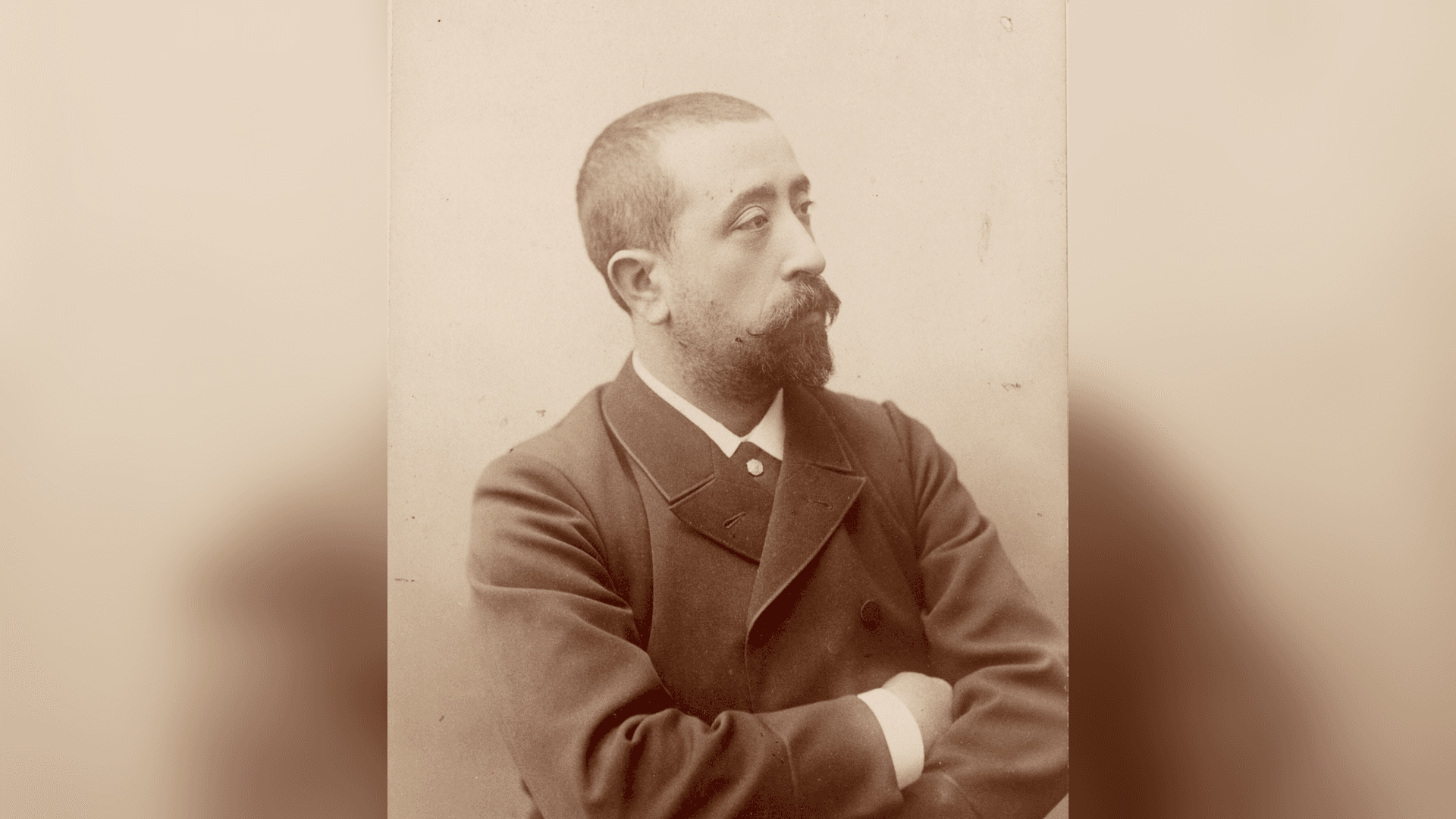
Tourette syndrome is a neurodevelopmental condition defined by multiple motor tics and at least one vocal tic lasting more than a year, beginning in childhood. A meta-analysis of 21 population-based studies by Scharf and colleagues put its prevalence in children at about 0.5%, with a likely range of 0.3% to 0.9%. The condition carries the name of Georges Gilles de la Tourette, a young physician in Jean-Martin Charcot's Paris service who described nine patients in 1885.
The largest clinical IQ dataset comes from Denmark. Debes and colleagues gave Wechsler intelligence scales to 266 children with Tourette syndrome seen at a specialist clinic. The mean full-scale IQ was 88.8, with a verbal IQ of 92.9 and a performance IQ of 87.1. That is lower than the population mean of 100 and lower than a matched control group, but, in the authors' words, "less than one standard deviation below." A "standard deviation" is the typical distance of a score from the mean, 15 points on most IQ tests, so the average child in that clinic scored in the low-average range, and most scored within the broad average band.
Research samples recruited in other ways can look quite different. In a Yale study of 236 children, Sukhodolsky and colleagues estimated IQ from two Wechsler subtests and found a mean of 112.1 in children with Tourette syndrome only, against 116.7 in community controls, a difference that was not statistically significant. Both groups scored above average, which says more about who volunteers for university research than about Tourette syndrome. The contrast between the Danish and Yale figures is a reminder that clinic and research samples each lean in their own direction.
Co-occurring ADHD and OCD explain most of the gap
Tourette syndrome rarely travels alone. In a study of 1,374 people with the condition, Hirschtritt and colleagues found that 85.7% met the criteria for at least one other psychiatric disorder over their lifetime. ADHD (54.3%) and obsessive-compulsive disorder, or OCD (50.0%), were the most common, and only 27.9% had Tourette syndrome without either. Because so few people have "pure" Tourette syndrome, any average that mixes everyone together mostly describes the comorbidities.
When studies separate the groups, ADHD carries most of the weight:
• ADHD lowers scores on attention and speed tasks: In Sukhodolsky's study, children with Tourette syndrome only did not differ from controls on response inhibition or visual-motor integration, while children with ADHD were impaired on every measure. The authors concluded that co-occurring ADHD "may be responsible for the neuropsychological deficits" seen in Tourette samples. The pattern in ADHD itself is covered in our article on IQ and ADHD.
• ADHD and the performance scale: An early study by Dykens and colleagues found significantly lower performance IQ in children with Tourette syndrome and ADHD than in those without it. Termine and colleagues likewise found the Tourette-plus-ADHD group most affected on planning, inhibition and working memory, followed by ADHD alone and then Tourette syndrome alone.
• OCD does not pull scores down: In the Danish cohort, children with co-occurring OCD had higher full-scale IQs than the other groups. That fits the wider picture described in our article on IQ and OCD, where general ability is close to typical. Children with both ADHD and OCD in the Danish sample did show problems on motor and speed tasks.
Debes's team also found that an earlier age at tic onset was associated with lower performance IQ, so the timing of the condition may matter alongside its company.
Inhibitory control and the "enhanced control" finding
Because tics are unwanted movements, researchers long assumed that people with Tourette syndrome would be poor at stopping actions on demand. The evidence is more interesting than that.
In 2006, Mueller, Jackson and colleagues gave young people with Tourette syndrome an eye-movement task that required switching between looking toward a target and deliberately looking away from it. The Tourette group showed "paradoxically greater levels of cognitive control" than age-matched controls. A follow-up by Jackson and colleagues in 2007 found that the Tourette group paid no significant cost when switching between tasks unpredictably, unlike controls. The authors suggested that years of suppressing tics may strengthen the brain systems used to hold back a response.
That finding does not mean Tourette syndrome sharpens cognition in general. A meta-analysis by Morand-Beaulieu and colleagues pooled 61 studies covering 1,717 patients and found a small-to-medium deficit in inhibitory control overall. The deficit was larger when ADHD was present, but even people with Tourette syndrome only showed some. The likeliest reading is that inhibitory control in Tourette syndrome is uneven, with some specific tasks done well and many done slightly worse. Either way, it is a narrow skill and says little about general intelligence.
Other relative strengths and weaknesses appear in smaller studies. Dykens and colleagues reported relative strengths in reading and "abstract, logical thinking" and relative weaknesses in mental and written arithmetic. Fine motor skill, such as pegboard speed with the dominant hand, was impaired in boys with Tourette syndrome only in Sukhodolsky's sample.
Testing a person with tics
Several features of an IQ evaluation can work against someone with Tourette syndrome, and a careful examiner accounts for them.
• Timed and motor subtests: Processing speed and many nonverbal tasks reward quick, precise hand movements. The Danish finding that performance IQ sat about 6 points below verbal IQ, and that motor and speed tasks were hardest for children with co-occurring conditions, suggests these subtests are where scores are most likely to understate reasoning ability.
• Attention, not tics, is often the bigger factor: Given how often ADHD co-occurs, a low working memory or processing speed score may reflect attention problems. Reading index scores separately is more informative than the full-scale average.
• Tic suppression: Many people can hold back tics for a while. There is little direct research on whether suppressing tics during a test costs points, so it helps for the examiner to note tic activity during the session and weigh it when interpreting the scores.
A full evaluation is usually done by a clinical or school psychologist or a neuropsychologist, ideally one who works with a neurologist or psychiatrist who knows tic disorders.
Do scores and outcomes change with age?
Tics themselves usually change a great deal. In a Yale birth-year cohort, Leckman and colleagues found that tics began around age 5.6, peaked at about age 10, and then declined, and by age 18 nearly half the cohort was virtually tic-free. There is no evidence that IQ falls as tics wax and wane.
School outcomes are a different matter. In a Swedish population study of more than 2.1 million people, Pérez-Vigil and colleagues found that those diagnosed with Tourette syndrome or a chronic tic disorder in specialist care were much less likely to finish upper secondary school or a university degree, even compared with their own siblings. Excluding people with ADHD and other neurodevelopmental conditions weakened the association, but it did not erase it. That study measured school achievement, not IQ, and it excluded people with intellectual disability.
Frequently asked questions
Does Tourette syndrome lower IQ?
Not by itself in most cases. The largest clinic sample averaged about 89, and studies that separate out ADHD find that people with Tourette syndrome alone perform close to typical.
Do people with Tourette syndrome have a high IQ?
There is no good evidence that Tourette syndrome raises IQ. Some research samples score above 100, but their matched controls score just as high, which points to who volunteers for studies rather than to the condition.
Why do some children with Tourette syndrome score lower on IQ tests?
The most common reason is co-occurring ADHD, which pulls down attention, working memory and speed scores. Earlier tic onset and motor demands on timed subtests may also play a part.
Is intellectual disability common in Tourette syndrome?
No. The Danish clinic sample averaged less than one standard deviation below the population mean, so most children were in the average or low-average range.
Who should assess a child with Tourette syndrome?
A clinical or school psychologist or neuropsychologist experienced with tic disorders, working alongside the child's pediatric neurologist or psychiatrist, can separate the effects of tics, ADHD and OCD.
The takeaway
Most people with Tourette syndrome score in the average range, and tics on their own do not appear to cost IQ points. Lower group averages mostly come from co-occurring ADHD, while OCD is not linked to lower scores, and the "enhanced cognitive control" finding describes one narrow skill, not general intelligence. Because timed and motor subtests can understate ability, index scores tell more than the full-scale number. Readers curious about how general reasoning is measured against a defined norm group can take a full-length online IQ test that reports its margin of error alongside the score.
References
1. Scharf, J. M., Miller, L. L., Gauvin, C. A., Alabiso, J., Mathews, C. A., & Ben-Shlomo, Y. (2015). Population prevalence of Tourette syndrome: A systematic review and meta-analysis. Movement Disorders, 30(2), 221-228. [doi.org/10.1002/mds.26089](. doi.org
2. Debes, N. M., Lange, T., Jessen, T. L., Hjalgrim, H., & Skov, L. (2011). Performance on Wechsler intelligence scales in children with Tourette syndrome. European Journal of Paediatric Neurology, 15(2), 146-154. [doi.org/10.1016/j.ejpn.2010.07.007](. doi.org
3. Sukhodolsky, D. G., Landeros-Weisenberger, A., Scahill, L., Leckman, J. F., & Schultz, R. T. (2010). Neuropsychological functioning in children with Tourette syndrome with and without attention-deficit/hyperactivity disorder. Journal of the American Academy of Child & Adolescent Psychiatry, 49(11), 1155-1164. [doi.org/10.1016/j.jaac.2010.08.008](. doi.org
4. Hirschtritt, M. E., Lee, P. C., Pauls, D. L., Dion, Y., Grados, M. A., Illmann, C., King, R. A., Sandor, P., McMahon, W. M., Lyon, G. J., Cath, D. C., Kurlan, R., Robertson, M. M., Osiecki, L., Scharf, J. M., Mathews, C. A., & Tourette Syndrome Association International Consortium for Genetics. (2015). Lifetime prevalence, age of risk, and genetic relationships of comorbid psychiatric disorders in Tourette syndrome. JAMA Psychiatry, 72(4), 325-333. [doi.org/10.1001/jamapsychiatry.2014.2650](. doi.org
5. Dykens, E., Leckman, J., Riddle, M., Hardin, M., Schwartz, S., & Cohen, D. (1990). Intellectual, academic, and adaptive functioning of Tourette syndrome children with and without attention deficit disorder. Journal of Abnormal Child Psychology, 18(6), 607-615. [doi.org/10.1007/bf01342750](. doi.org
6. Termine, C., Luoni, C., Fontolan, S., Selvini, C., Perego, L., Pavone, F., Rossi, G., Balottin, U., & Cavanna, A. E. (2016). Impact of co-morbid attention-deficit and hyperactivity disorder on cognitive function in male children with Tourette syndrome: A controlled study. Psychiatry Research, 243, 263-267. [doi.org/10.1016/j.psychres.2016.06.048](. doi.org
7. Mueller, S. C., Jackson, G. M., Dhalla, R., Datsopoulos, S., & Hollis, C. P. (2006). Enhanced cognitive control in young people with Tourette's syndrome. Current Biology, 16(6), 570-573. [doi.org/10.1016/j.cub.2006.01.064](. doi.org
8. Jackson, G. M., Mueller, S. C., Hambleton, K., & Hollis, C. P. (2007). Enhanced cognitive control in Tourette syndrome during task uncertainty. Experimental Brain Research, 182(3), 357-364. [doi.org/10.1007/s00221-007-0999-8](. doi.org
9. Morand-Beaulieu, S., Grot, S., Lavoie, J., Leclerc, J. B., Luck, D., & Lavoie, M. E. (2017). The puzzling question of inhibitory control in Tourette syndrome: A meta-analysis. Neuroscience & Biobehavioral Reviews, 80, 240-262. [doi.org/10.1016/j.neubiorev.2017.05.006](. doi.org
10. Leckman, J. F., Zhang, H., Vitale, A., Lahnin, F., Lynch, K., Bondi, C., Kim, Y. S., & Peterson, B. S. (1998). Course of tic severity in Tourette syndrome: The first two decades. Pediatrics, 102(1), 14-19. [doi.org/10.1542/peds.102.1.14](. doi.org
11. Pérez-Vigil, A., Fernández de la Cruz, L., Brander, G., Isomura, K., Jangmo, A., Kuja-Halkola, R., Hesselmark, E., D'Onofrio, B. M., Larsson, H., & Mataix-Cols, D. (2018). Association of Tourette syndrome and chronic tic disorders with objective indicators of educational attainment: A population-based sibling comparison study. JAMA Neurology, 75(9), 1098-1105. [doi.org/10.1001/jamaneurol.2018.1194](. doi.org
12. Lajonchere, C., Nortz, M., & Finger, S. (1996). Gilles de la Tourette and the discovery of Tourette syndrome: Includes a translation of his 1884 article. Archives of Neurology, 53(6), 567-574. [doi.org/10.1001/archneur.1996.00550060111024](. doi.org
Hero image: Georges Gilles de la Tourette (1857-1904), photograph by Eugène Pirou, Bibliothèque interuniversitaire de santé, Licence Ouverte (etalab.gouv.fr/licence-ouverte-open-licence). Via Wikimedia Commons.
Take our professional IQ test
Want to know your IQ? Try the first ever professional online IQ test.