🇺🇸The official website of Riot IQ
Log in
  • Home
  • About

Measure your
intelligence online.

Google

Assessments

  • All IQ Tests
  • Basic IQ Test
  • Full IQ Test
  • Custom IQ Test
  • Free IQ Test

Our Socials

  • X
  • YouTube
  • Facebook
  • LinkedIn

Other IQ Tests

  • WAIS-V
  • SB-5
  • Raven's 2
  • RIAS-2
  • CogAT 9
  • WISC-V

Community

  • Join Subreddit
  • Join Discord

Other Pages

  • Test Manual
  • Administer IQ Tests
  • About Us
  • Articles
  • Data
  • FAQ

Research

  • What do polygenic scores really predict?
  • Working speed and ability on the RIOT

Intelligence Journals & Organizations

  • Human Intelligence Research & Education (HIRE) Foundation
  • International Society for Intelligence Research (ISIR)
  • Intelligence & Cognitive Abilities Journal (ICA)
  • Intelligence Journal
  • Mensa Foundation

Contact

  • Email
  • Support

News & Press

  • International Society for Intelligence Research
  • American Thinker
  • Mensa Foundation (1/2)
  • Mensa Northern New Jersey
  • The University of Western Australia
  • Prolific
  • Quillette
  • Brainz

Our Articles

  • Gmatclub (1/2)
  • ApolloTechnical
  • LessWrong
  • Psychreg
  • Study in Switzerland
  • SuccessConsciousness
  • Creative Organizational Design (1/2)
  • ABNewsWire
  • Vanderbilt University

Our Articles

  • The Globe and Mail
  • Barchart
  • Journal
  • Mensa Foundation (2/2)
  • Psychologs
  • Creative Organizational Design (2/2)
  • AZBigMedia
  • Thoughts on Life and Love
  • Anxiety and Depression Association of America

Our Articles

  • Before It's News
  • Siglo XXI
  • TechBullion
  • Medium
  • Gmatclub (2/2)
  • MSN
  • National Review
  • Minding the Campus
  • Launching Next

Our Articles

  • Comparing Cronbach’s Alpha and McDonald’s Omega Reliability
  • Breaking the Intelligence & IQ Taboo
  • What is the Flynn Effect?
  • A Comprehensive History of IQ Tests
  • The 15 Subtests of the RIOT

Our Articles

  • How to Take an IQ Test
  • How to Calculate IQ
  • What is the RIOT IQ Test?
  • The Pro-Human Aspects of Intelligence Research
  • What is an IQ Test? A Beginner's Guide.

Our Articles

  • 5 Best IQ Tests in 2025
  • Cognitive Profiles on the RIOT IQ Test Results
  • 6 Cognitive Abilities of the RIOT
  • Are There Any Professional and Real Online IQ Tests?

Our Articles

  • Resources to Learn About IQ and Intelligence
  • Studying IQ Matters
  • The Search for Albert Einstein's IQ
  • Do Non-g Gains from the Flynn Effect Matter?

Riot IQ © 2026

  • Terms of Service
  • Privacy Policy
  • BAA Agreement
  • Test Administrator Terms
  • Terms of Service
  • •Privacy Policy
  • •BAA Agreement
  • •Test Administrator Terms

Table of Contents

  • What easyCBM measures and who uses it
  • How the benchmark and progress-monitoring cycle works
  • How easyCBM scores are reported
  • Is easyCBM an IQ test?
  • The research behind easyCBM and its limits
  • Frequently asked questions
  • Who developed easyCBM and who sells it?
  • What grades does easyCBM cover?
  • How long does an easyCBM assessment take?
  • Is easyCBM free?
  • What does an easyCBM percentile mean?
  • Can easyCBM diagnose dyslexia or a learning disability?
  • Where an IQ test fits alongside easyCBM
  • References
Sep 21, 2026·Specific IQ Tests & Formats

What is easyCBM? The K-8 benchmark and progress-monitoring system explained

easyCBM is a K-8 online benchmark and progress-monitoring system from the University of Oregon. Learn its measures, its scores, and how it differs from IQ.

Dr. Russell T. WarneChief Scientist
Share

Table of Contents

  • What easyCBM measures and who uses it
  • How the benchmark and progress-monitoring cycle works
  • How easyCBM scores are reported
  • Is easyCBM an IQ test?
  • The research behind easyCBM and its limits
  • Frequently asked questions
  • Who developed easyCBM and who sells it?
  • What grades does easyCBM cover?
  • How long does an easyCBM assessment take?
  • Is easyCBM free?
  • What does an easyCBM percentile mean?
  • Can easyCBM diagnose dyslexia or a learning disability?
  • Where an IQ test fits alongside easyCBM
  • References
Article Categories
All ArticlesUnderstanding IQ ScoresTaking an IQ TestRIOT-Specific InformationGeneral IQ & IntelligenceAdvanced Topics & ResearchIQ Scores & InterpretationMensa & High-IQ SocietiesOnline IQ Tests IQ Test Basics & FundamentalsAverage IQ & DemographicsFamous People & IQHistory & Origins Of IQ TestingAccuracy, Reliability & CriticismSpecial Population & Related ConditionsImproving IQ / PreparationSpecific IQ Tests & FormatsIQ Testing for HR & RecruitmentSkills Assessment
Related Articles
What is the TOSWRF-2? The Test of Silent Word Reading Fluency explainedWhat is the DTLA-5? The Detroit Tests of Learning Abilities explainedWhat is the TOMAGS-2? The Test of Mathematical Abilities for Gifted Students explainedWhat is the TOPS-3? The Test of Problem Solving explainedWhat is the TPRI? The Texas Primary Reading Inventory explainedWhat is Lexia RAPID Assessment? The K-12 reading and language screener explainedWhat is easyCBM? The K-8 benchmark and progress-monitoring system explainedWhat is mCLASS? Amplify's early literacy screening and progress-monitoring assessment explainedWhat is the TOAL-4? The Test of Adolescent and Adult Language explainedWhat is the PTONI? The Primary Test of Nonverbal Intelligence explainedWhat is the TEWL-3? The Test of Early Written Language explainedWhat is the YCAT-2? The Young Children's Achievement Test explainedWhat is the KLPA-3? The Khan-Lewis Phonological Analysis explainedWhat is the Children's Memory Scale? The CMS explainedWhat is the TWF-3? The Test of Word Finding explainedWhat is the TNL-2? The Test of Narrative Language explainedWhat is the TOPL-2? The Test of Pragmatic Language explainedWhat is the SCAN-3? The tests for auditory processing disorders explainedWhat is the ROWPVT-5? The Receptive One-Word Picture Vocabulary Test explainedWhat is the TOMA-3? The Test of Mathematical Abilities explainedWhat is the TERA-4? The Test of Early Reading Ability explainedWhat is the DRA3? The Developmental Reading Assessment, Third Edition explainedWhat is Acadience Reading K-6? The early literacy screener formerly known as DIBELS NextWhat is Amira? The AI reading assessment and tutor explainedWhat is the PALS assessment? Virginia's early literacy screener explainedWhat is the Fountas & Pinnell Benchmark Assessment System? Levels, editions, and the evidence debateWhat is the QRI-7? The Qualitative Reading Inventory explainedWhat is the WRAVMA? The Wide Range Assessment of Visual Motor Abilities explainedWhat is the TVMS-3? The Test of Visual-Motor Skills, Third Edition explainedWhat is the TOLD-I:5? The Test of Language Development-Intermediate explainedWhat Is the CTMT-2? The Comprehensive Trail-Making Test ExplainedWhat is the DTVP-3? The Developmental Test of Visual Perception explainedWhat is the TEA-Ch2? The Test of Everyday Attention for Children explainedWhat is the BRIEF-2? A guide to the Behavior Rating Inventory of Executive FunctionWhat is the SPM-2? The Sensory Processing Measure, Second Edition explainedWhat is the Sensory Profile 2?What is the VB-MAPP? The verbal behavior assessment explainedWhat is the ABLLS-R? The Assessment of Basic Language and Learning Skills-Revised explainedWhat is the DAB-4? Understanding the Diagnostic Achievement BatteryWhat is the TOLD-P:5? The Test of Language Development-Primary explainedWhat is the DP-4? A guide to the Developmental Profile 4What is the ESI-3? The Early Screening Inventory explainedWhat is the ITPA-3? The Illinois Test of Psycholinguistic Abilities explainedWhat is the Fluharty-2? The preschool speech and language screener explainedWhat is the CELF Preschool-3? A guide to the preschool language testWhat is TILLS? A guide to the Test of Integrated Language and Literacy SkillsWhat is the SCQ? The Social Communication Questionnaire explainedWhat is the MVPT-4? The Motor-Free Visual Perception Test explainedWhat is the Boehm-3? The Boehm Test of Basic Concepts explainedWhat is the Battelle Developmental Inventory? A guide to the BDI-3What is the ADI-R? A guide to the Autism Diagnostic Interview-RevisedWhat is the TAPS-4? The Test of Auditory Processing Skills explainedWhat is the TOWRE-2? The timed word reading test explainedWhat is the GARS-3? The Gilliam Autism Rating Scale explainedWhat is the CARS-2? A guide to the Childhood Autism Rating Scale, Second EditionWhat is the ADOS-2? A guide to the Autism Diagnostic Observation ScheduleWhat is FastBridge? The K-12 screening system explainedWhat is aimswebPlus? Pearson's benchmark screening and progress monitoring systemWhat is the i-Ready Diagnostic? Scores, placement levels, and what they really meanWhat is DIBELS? The K-8 early literacy screener explainedWhat is the WMLS-III? The Woodcock-Muñoz Language Survey explainedWhat is the SRS-2? The Social Responsiveness Scale, Second Edition explainedWhat is the GRADE assessment? The Group Reading Assessment and Diagnostic Evaluation explainedWhat is the GMADE? The Group Mathematics Assessment and Diagnostic Evaluation explainedWhat is the TOMAL-2? A guide to the Test of Memory and LearningWhat is the SAGES-3? A guide to the gifted screening testWhat is the SIB-R? The Scales of Independent Behavior, Revised, explainedWhat is the REEL-4? The Receptive-Expressive Emergent Language Test explainedWhat is the Arizona-4? The Arizona Articulation and Phonology Scale explainedWhat is the EVT-3? The Expressive Vocabulary Test explainedWhat is the TEMA-3? The Test of Early Mathematics Ability explainedWhat is the BOT-2? The Bruininks-Oseretsky motor proficiency test explainedWhat is the PDMS-3? The Peabody Developmental Motor Scales explainedWhat is the M-CHAT? The toddler autism screening questionnaire explainedWhat is the CASL-2? The Comprehensive Assessment of Spoken Language explainedWhat is the DAYC-2? The Developmental Assessment of Young Children explainedWhat is the Brigance screener? The Early Childhood Screens III explainedWhat is the DIAL-4? The preschool developmental screener explainedWhat is the PLS-5? The Preschool Language Scales explainedWhat is the WRMT-III? The Woodcock Reading Mastery Tests explainedWhat is the KeyMath-3? The diagnostic math assessment explainedWhat is the Seashore Rhythm Test? A classic measure of auditory attentionWhat is the Bender-Gestalt Test?What is the TVPS-4? The Test of Visual Perceptual Skills explainedWhat is the EOWPVT? The Expressive One-Word Picture Vocabulary Test explainedWhat Is the Boston Diagnostic Aphasia Examination?What Is the Token Test?What is the Halstead Category Test?What Is the Finger Tapping Test? Motor Speed Measurement ExplainedWhat is the Purdue Pegboard Test? The classic measure of finger and hand dexterityWhat Is the Grooved Pegboard Test?What Is the Hooper Visual Organization Test?What Is the Rey Auditory Verbal Learning Test?What is the CVLT-3? Inside the California Verbal Learning TestWhat is the WRAML-3? Inside the Wide Range Assessment of Memory and LearningWhat is the OWLS-II? The Oral and Written Language Scales explainedWhat is the TOWL-4? A guide to the Test of Written LanguageWhat is the CTOPP-2? The Comprehensive Test of Phonological Processing explainedWhat is the Luria-Nebraska Neuropsychological Battery?What is the PASAT test? The paced auditory serial addition test explainedWhat is the Halstead-Reitan battery? The classic fixed neuropsychological test setWhat is the Conners test? The Conners 4 ADHD rating scales explainedWhat is the BASC-3? A guide to Pearson's behavior rating systemWhat is the GORT-5? The Gray Oral Reading Tests explainedWhat is the KTEA-3? The Kaufman Test of Educational Achievement explainedWhat is the GFTA-3? The Goldman-Fristoe articulation test explainedWhat is the CELF-5? Pearson's language fundamentals test explainedWhat is the Beery VMI? The visual-motor integration test explainedWhat Is the Rey-Osterrieth Complex Figure Test?What is the Wisconsin Card Sorting Test?What is the Wechsler Memory Scale? A guide to the WMS-IVWhat is the D-KEFS? The Delis-Kaplan Executive Function System explainedWhat is the NEPSY-II? A guide to the child neuropsychological assessmentWhat is the Boston Naming Test?What is the RBANS? Pearson's brief neuropsychological battery explainedWhat is the ABAS-3? The adaptive behavior assessment explainedWhat is the Bracken School Readiness Assessment?What is the Denver II? The Denver Developmental Screening Test explainedWhat Is the CCAT Test? Format, Scoring, and How It Compares to an IQ TestWhat is the MMSE test? The classic 30-point cognitive screening examWhat is the Vineland-3? The adaptive behavior assessment explainedWhat Is the TACHS Test? The Catholic High School Admissions Exam ExplainedWhat is the SHSAT test? New York City's specialized high school exam explainedWhat is the RIAS-2? The Reynolds Intellectual Assessment Scales explainedWhat is the PSAT test? Format, scores, and National Merit explainedWhat Is the Nelson-Denny Reading Test?What Is the ERB Test? The CTP ExplainedWhat is the DAT test? The Dental Admission Test explainedWhat is the CTONI-2? The Comprehensive Test of Nonverbal Intelligence explainedWhat is the Stanford 10 test? A guide to the SAT10 achievement batteryWhat are the Mullen Scales of Early Learning?What is the AFCT test? The in-service ASVAB retest explainedWhat is the WRAT-5? Pearson's brief achievement test explainedWhat is the Wechsler Nonverbal Scale of Ability (WNV)?What is the Slosson Intelligence Test?What is the NAPT test? The Navy Advanced Programs Test explainedWhat is the HSPT test? Sections, scoring, and how schools use itWhat is the CLT exam? Sections, scoring, and who accepts itWhat is the Bayley-4? How the infant and toddler development scales workWhat Is the TONI-4 Test? The Language-Free Intelligence Test ExplainedWhat Is the TerraNova Test? A Guide to the Achievement BatteryWhat Is the KABC-II? A Guide to the Kaufman Assessment Battery for ChildrenWhat Is the Universal Nonverbal Intelligence Test (UNIT2)?What Is the DAS-II Test? The Differential Ability Scales ExplainedWhat Is the ASTB Test? The Navy's Aviation Selection Battery ExplainedWhat Is the SIFT Test? The Army's Flight Aptitude Test ExplainedWhat Is the DLAB Test? The Military's Language Aptitude Battery ExplainedWhat Is an AFQT Score? The Military's Enlistment Score ExplainedWhat Is the CAS2 Test? The Cognitive Assessment System and PASS TheoryWhat Is the WIAT Test? The Wechsler Individual Achievement Test ExplainedWhat Is the WASI Test? The Wechsler Abbreviated Scale of IntelligenceWhat Is the SCAT Test? Johns Hopkins CTY's Qualifying Test ExplainedWhat Is the SSAT Test? The Secondary School Admission Test ExplainedWhat Is the ISEE Test? The Independent School Entrance Exam ExplainedMCAT to IQ: What MCAT Scores Really Say About IntelligenceGMAT to IQ: What GMAT Scores Really Say About IntelligenceWhat Is the Leiter Test? The Nonverbal IQ Scale ExplainedWhat Is the RIAS Test? The Reynolds Intellectual Assessment Scales ExplainedWhat Is a GT Score? The Army's General Technical Score ExplainedWhat Is the AFOQT? The Air Force Officer Qualifying Test ExplainedWhat Is the Iowa Test? The ITBS and Iowa Assessments ExplainedWhat Is the Star Test? Renaissance Star Assessments ExplainedWhat Is the MAP Test? NWEA MAP Growth ExplainedWhat Is the Vervoe Assessment?What Is the Harver Assessment?What Is the Plum Assessment? The Discovery Survey ExplainedWhat Is the Saville Swift Test?What Is the Mettl Test? Mercer | Mettl Assessments ExplainedWhat Is TestGorilla? The Skills Testing Platform ExplainedWhat Is the Matrigma Test?What Is the Thomas GIA Test?What Is the HireVue Assessment?What Is the CASPer Test?What Is the UCAT? The University Clinical Aptitude Test ExplainedWhat Is the Beta-III Test? Beta-4 and the Nonverbal IQ LineWhat Is the Cognitive Reflection Test?What Is the McQuaig Mental Agility Test?What Is the Talent Q Elements Test?What Is the Kenexa Assessment?IQ Test Questions: What Real Tests Actually AskWhat Is the TABE Test?What Is the ACCUPLACER Test?What Is the HESI A2 Exam?What Is the ATI TEAS Test?What Is the Pymetrics Test?What Is the cut-e Test?What Is the Caliper Assessment?What Is a Deductive Reasoning Test?What Is an Inductive Reasoning Test?What Is a Quantitative Reasoning Test?What Is the Civil Service Exam?What Is the Cubiks Logiks Test?What Is the Wiesen Test of Mechanical Aptitude?What Is the Bennett Mechanical Comprehension Test?What Is the Ramsay Mechanical Aptitude Test?What Is a Clerical Aptitude Test?LSAT to IQ: What LSAT Scores Really Say About IntelligenceGRE to IQ: What GRE Scores Really Say About IntelligenceWhat Is a Situational Judgement Test?What Is the Korn Ferry Assessment?What Is the Hogan Assessment?What Is the Firefighter Aptitude Test?What Is the Police Written Exam?What Is a Mechanical Aptitude Test?What Is a Numerical Reasoning Test?What Is an Abstract Reasoning Test?What Is the Watson Glaser Test? The Law-Firm Screen ExplainedWhat Is the SHL Test? The Verify G+ ExplainedWhat Is the Predictive Index Cognitive Assessment?What Is the Peabody Picture Vocabulary Test? The PPVT-5 ExplainedWhat Is the WPPSI Test? The Wechsler IQ Test for Young ChildrenWhat Is the KBIT Test? The Kaufman Brief Intelligence Test ExplainedWhat Is the OLSAT Test? The Otis-Lennon School Ability Test ExplainedWhat Is the NNAT Test? The Naglieri Nonverbal Ability Test ExplainedWhat Is the Average Wonderlic Score? Overall, by Job, and by NFL PositionWhat Is the Wonderlic Test? Scoring, NFL History, and How It Relates to IQWhat Is the Digit Span Test?What Is the Trail Making Test?What Is the Clock Drawing Test?What Is the Mini-Mental State Exam (MMSE)?What Is the Stroop Test?What Do Vocabulary Tests Measure?What Is a Reaction Time Test?What Is the Woodcock-Johnson Test?What Is the WISC Test?What Is the CogAT Test?Memory Tests: How Memory Is Actually MeasuredWhat Is Neuropsychological Testing?What Is the Mini-Cog Test?What Is the SAGE Test?What Is the MoCA Test?What Is a Pattern Recognition Test?How to Solve 3x3 Visual Matrix Reasoning Puzzles Step by StepWhat Are IQ Tests and How Do They Work?A Guide to the Different Types of IQ Tests AvailableWhat Are Professional IQ Tests and How Do They Work?5 Types of IQ Tests ExplainedWhat Is a Matrix Reasoning Test? What the Pattern Puzzles MeasureTop 10 Online IQ Tests: A Comprehensive ComparisonRIOT IQ vs. Wonderlic Test Prep: Professional Assessment or Test Coaching?RIOT IQ vs. Wonderlic Test Practice: Which Cognitive Assessment Serves Your Needs?RIOT IQ vs. Assessment Day: Which CCAT Approach Delivers Real Value?RIOT IQ vs. Prepopedia: Which CCAT Solution Fits Your Needs?RIOT IQ vs. Job Test Prep: Which CCAT Preparation Approach Makes Sense?RIOT IQ vs. 12 Min Prep: Which CCAT Preparation Option Works Best?How Is the Stanford-Binet Intelligence Scale Used?How Does the Stanford-Binet IQ Test Work?What Is the WAIS IQ Test?Which IQ Test Should I Take?Military IQ and the ASVABIQ Tests for KidsThe Stanford–Binet Intelligence TestIs the SAT an IQ Test?What Are Reliable IQ Tests?The Wechsler IQ Tests
Take our IQ tests

Basic IQ Test

5 subtests + 5 cognitive abilities

Take the IQ test

Features

  • ~13 Minutes
  • IQ score
  • Cognitive abilities breakdown
  • ±5.6 IQ margin of error

5/15 Subtests

Learn more
Vocabulary
Matrix Reasoning
SToVeS
Visual Reversal
Symbol Search
Most comprehensive

Full IQ Test

15 subtests + all cognitive abilities

Take the IQ test

Features

  • ~52 Minutes
  • IQ score
  • Cognitive abilities breakdown
  • ±3.7 IQ margin of error

15/15 Subtests

Learn more
Vocabulary, Information, Analogies
Matrix Reasoning, Visual Puzzles, Figure Weights
Object Rotation, SToVeS, Spatial Orientation
Computation Span, Exposure Memory, Visual Reversal
Symbol Search, Abstract Matching
Simple Reaction Time, Choice Reaction Time
Compare all tests
What is easyCBM? The K-8 benchmark and progress-monitoring system explained
easyCBM is an online "curriculum-based measurement" system for kindergarten through grade 8 that schools use to screen every student in reading and mathematics up to three times a year and then to track the progress of students who receive extra help. It was developed by Dr. Gerald Tindal and Dr. Julie Alonzo at Behavioral Research and Teaching, a research unit at the University of Oregon, and the district edition is sold by Riverside Insights, which the developers describe as the system's exclusive distributor. Classroom teachers and paraprofessionals administer it: the short fluency measures are given one-on-one and timed for one minute, while the comprehension and math measures are answered on a computer and scored automatically. easyCBM is not an IQ test. It measures academic skills such as how many words a child reads correctly in a minute, whereas an intelligence test measures general reasoning ability with problems that do not depend on a particular year's curriculum. In a school's assessment system it works as a risk screener and a growth monitor, and a low score is a reason to look more closely rather than a diagnosis of anything. This article covers what the system measures, how it is used and scored, what research supports it, and where a cognitive ability test fits alongside it.


What easyCBM measures and who uses it

The "CBM" in easyCBM stands for curriculum-based measurement, an approach to classroom assessment that Stanley Deno introduced to a wide audience in a 1985 article in Exceptional Children titled "Curriculum-based measurement: The emerging alternative." The National Center on Intensive Intervention describes the easyCBM measures as "general outcome" CBMs: standardized tasks that sample from a year's worth of curriculum so the same kind of task can be given repeatedly to show whether a student is closing the gap with grade-level expectations. As Dr. Tindal put it in a University of Oregon profile republished on the Behavioral Research and Teaching site, "If you want to measure change, you can't change your measures."

According to easyCBM's FAQ, the reading measures were built around the "Big Five" reading constructs identified by the National Reading Panel in 2000, and the math measures come in two versions, one based on the National Council of Teachers of Mathematics curriculum focal points and one on the Common Core State Standards. The easyCBM site lists more than 1,150 benchmark and progress-monitoring measures across three strands.

• English reading: Letter Names, Letter Sounds, Phoneme Segmenting, Word Reading Fluency, and Passage Reading Fluency in the early grades, plus Vocabulary, Basic Reading, and Proficient Reading comprehension measures running to grade 8.

• Spanish literacy: Syllable Sounds, Syllable Segmenting, Word Reading Fluency, Sentence Reading Fluency, and Spanish Vocabulary, for students receiving literacy instruction in Spanish.

• Mathematics: Basic Math and Proficient Math benchmarks for kindergarten through grade 8, with progress-monitoring measures organized by strand such as Numbers and Operations, Geometry, and Algebra. Every math item has built-in audio and a Spanish translation.

Behavioral Research and Teaching reports that easyCBM launched in 2011 and is now used by about 250,000 elementary and middle school teachers with more than one million students. The free Teacher Lite edition covers one teacher and up to 200 students with a core set of progress-monitoring measures; Teacher Deluxe, which the easyCBM site currently sells for $69.99 a year, adds benchmark assessments, risk-rating reports, and Spanish measures; and the District edition, sold through Riverside Insights, adds unlimited students and district-level reporting. Because the measures are standardized rather than clinical, the National Center on Intensive Intervention lists the required administrator qualification as paraprofessional level, with one to four hours of training.


How the benchmark and progress-monitoring cycle works

easyCBM is built for a "Response to Intervention" or "multi-tiered system of supports" model, in which all students are screened, those who appear to be at risk receive extra instruction, and their response is measured often enough to change course if it is not working. Riverside's brochure maps the system onto that model's three tiers.

• Tier 1, universal screening: Every student takes the benchmark measures for their grade up to three times a year. According to the National Center on Intensive Intervention, easyCBM provides three forms of each screening measure so that local benchmarks can be set in each testing window.

• Tier 2, progress monitoring: Students in the at-risk range take shorter progress-monitoring forms on a regular schedule while they receive intervention. The system generally offers 17 alternate forms in reading, so a student can be retested many times without seeing the same items.

• Tier 3, intensive support: Teachers can review item-level reports, set "aim lines" showing the rate of growth needed to reach a goal, and keep longitudinal records that inform referral decisions.

The measures are brief. Riverside's brochure gives one minute each for the five early literacy fluency measures, all administered individually by an adult who marks errors as the child reads aloud. Vocabulary takes about 10 to 15 minutes, Basic Reading about 20 minutes, and Proficient Reading about 30 minutes. Basic Reading consists of 25 multiple-choice items on literary text, informational text, and reading to perform a task, while Proficient Reading tests literal, inferential, and evaluative comprehension. Math measures contain 20 to 40 multiple-choice problems and run from roughly 8 to 15 minutes for a progress-monitoring form to 15 to 30 minutes for a benchmark.

Teachers who want to compare easyCBM with other classroom screeners can read about DIBELS, which uses a similar one-minute fluency format, and aimswebPlus, another K-8 benchmark and progress-monitoring platform.


How easyCBM scores are reported

easyCBM reports two kinds of numbers for each measure: a "raw score," which is the count of correct responses (or correct words or sounds in one minute for the fluency measures), and a "percentile rank," which tells you what percentage of students in the norm group scored below that raw score. Riverside states that the norms are nationally stratified and that benchmark reports assign each student a color-coded risk rating next to the percentile and raw score. Progress-monitoring reports plot each score against the aim line so a teacher can see whether growth is on track.

Two points of interpretation matter. A percentile rank on easyCBM is a rank of academic performance on a specific task at a specific point in the school year. It is not on the same scale as an IQ score, even though both are norm-referenced, and the 20th percentile in Passage Reading Fluency in the fall of grade 3 says nothing directly about a child's reasoning ability. Scores on very short measures also carry measurement error. Behavioral Research and Teaching's 2026 reliability summary stresses that reliability is a property of scores produced under particular conditions for a particular group, which is why the developers report it by measure and grade rather than quoting one figure for the whole system. A single one-minute reading sample is one data point; decisions should rest on the pattern across several administrations.


Is easyCBM an IQ test?

No. easyCBM is an achievement measure, and the difference between "achievement" and "ability" is the most useful thing a parent or teacher can understand about it. An achievement test samples skills that have been taught: letter sounds, decoding, reading a passage, solving grade-level arithmetic. An intelligence test samples reasoning with deliberately unfamiliar material, such as finding the rule in a pattern of shapes, so that the score reflects general cognitive ability rather than exposure to a curriculum. The two are correlated, since children who reason well tend to learn academic skills faster, but they are different constructs that answer different questions.

easyCBM answers the question "Is this student on track in reading and math, and is the extra help working?" It does not answer "Why is this student behind?" A child can read slowly because of limited instruction, an attention problem, a language difference, a specific learning difficulty, or simply because the class has not yet covered the material. Sorting those explanations out is the job of a comprehensive evaluation by qualified professionals such as a school psychologist, which may include an individually administered cognitive test alongside achievement testing and developmental history. easyCBM data feed into that process as a record of how the student responded to instruction; the screener itself does not diagnose anything. Parents curious about how children's cognitive ability is measured can read our overview of IQ tests for kids.


The research behind easyCBM and its limits

easyCBM has an unusually deep paper trail because it grew out of a university research program. Behavioral Research and Teaching publishes its technical reports online, and in 2026 Dr. Tindal released a series of summaries integrating what he describes as 25 years of technical adequacy research. According to those summaries, item pools were written to explicit standards, reviewed for accuracy and bias, piloted in classrooms, and calibrated largely with "Rasch" models, a form of item response theory that places items and students on a common difficulty scale. Anchor items and equating were used so that alternate forms given across seasons are comparable.

Peer-reviewed evidence exists as well. In a 2011 study in The Elementary School Journal, Nese, Park, Alonzo, and Tindal examined the relationship between easyCBM benchmark measures and a statewide reading test in about 3,600 fourth and fifth graders and reported strong concurrent validity, with the vocabulary measure a robust predictor across grades. easyCBM's Passage Reading Fluency, Vocabulary, Proficient Reading, Proficient Math, and Reading Composite measures also appear on the National Center on Intensive Intervention's academic screening tools chart, where a technical review committee rates the evidence submitted for each measure and grade.

Some honest caveats apply. Most of the technical reports are written by the developers, and the 2026 series discloses that it was supported in part by Riverside Insights. The tools-chart ratings range from "convincing" to "partially convincing" evidence depending on the measure, grade, and criterion, with some cells marked as data unavailable, so a district should look at the evidence for the specific measures it plans to use rather than treating easyCBM as validated as a whole. One-minute fluency probes are efficient but narrow, and a fluent decoder can still struggle with comprehension. None of this is unusual for a screening system; it is the reason screeners are paired with follow-up assessment.


Frequently asked questions

Who developed easyCBM and who sells it?

easyCBM was developed by Dr. Gerald Tindal and Dr. Julie Alonzo at Behavioral Research and Teaching, University of Oregon. Individual teacher editions are sold through easycbm.com, and district licenses are sold by Riverside Insights.

What grades does easyCBM cover?

Kindergarten through grade 8. Early literacy measures such as Letter Names are for grades K through 2, comprehension and vocabulary measures run from grade 2 or 3 through grade 8, and math benchmarks exist at every grade.

How long does an easyCBM assessment take?

The individually administered fluency measures take one minute each. According to Riverside's brochure, Vocabulary takes about 10 to 15 minutes, Basic Reading about 20 minutes, Proficient Reading about 30 minutes, and math measures run between roughly 8 and 30 minutes depending on the form.

Is easyCBM free?

There is a free Teacher Lite edition for one teacher and up to 200 students, limited to a core set of progress-monitoring measures. The Teacher Deluxe edition is listed at $69.99 per year on the easyCBM site, and district pricing is arranged through Riverside Insights.

What does an easyCBM percentile mean?

It is the percentage of students in the norm group for that grade and testing window who scored below your child on that measure. A percentile on a one-minute probe is a rank of that skill on that day, so teachers look at the trend across several administrations.

Can easyCBM diagnose dyslexia or a learning disability?

No. easyCBM is a screening and progress-monitoring tool that identifies students who may be at risk and shows whether intervention is working. Diagnosing a learning disability requires a comprehensive evaluation by qualified professionals, and easyCBM results are one source of information such an evaluation can draw on.


Where an IQ test fits alongside easyCBM

easyCBM and an intelligence test do different jobs. A screener like easyCBM tells a school whether a child's reading and math skills are keeping pace with grade-level expectations and whether extra instruction is producing growth. A well-normed cognitive ability test tells you how a person's general reasoning compares with others of the same age, independent of any curriculum. For children, that kind of test is administered individually by a trained examiner as part of a broader evaluation.

For adults who want a measured estimate of their own reasoning ability, the Reasoning and Intelligence Online Test, the RIOT IQ test, was developed by RIOT IQ with psychometrician Dr. Russell T. Warne for people aged 18 and over. It includes 15 subtests across six cognitive indices (verbal reasoning, fluid reasoning, spatial ability, working memory, processing speed, and reaction time), takes about 52 minutes, and reports scores on the familiar mean-100, standard-deviation-15 scale. Like any online test, it does not replace an individually administered diagnostic evaluation. What it offers is a normed, transparent estimate of general ability for adults who want one. You can learn more or take the test at RIOT IQ.


References

1. Behavioral Research and Teaching, University of Oregon. (n.d.). easyCBM. brtprojects.org

2. easyCBM. (2026). Response to intervention made easy: easyCBM editions, measures, and pricing. easycbm.com

3. Riverside Insights. (2021). easyCBM: Universal screening and progress monitoring made easy [Brochure]. riversideinsights.com

4. Tindal, G. (2026). Overview of 2026 series summarizing easyCBM research (Technical Report 2603-SUM). Behavioral Research and Teaching, University of Oregon. brtprojects.org

5. Nese, J. F. T., Park, B. J., Alonzo, J., & Tindal, G. (2011). Applied curriculum-based measurement as a predictor of high-stakes assessment: Implications for researchers and teachers. The Elementary School Journal, 111(4), 608-624. doi.org

6. Deno, S. L. (1985). Curriculum-based measurement: The emerging alternative. Exceptional Children, 52(3), 219-232. doi.org

7. National Center on Intensive Intervention. (n.d.). Academic screening tools chart: easyCBM. charts.intensiveintervention.org

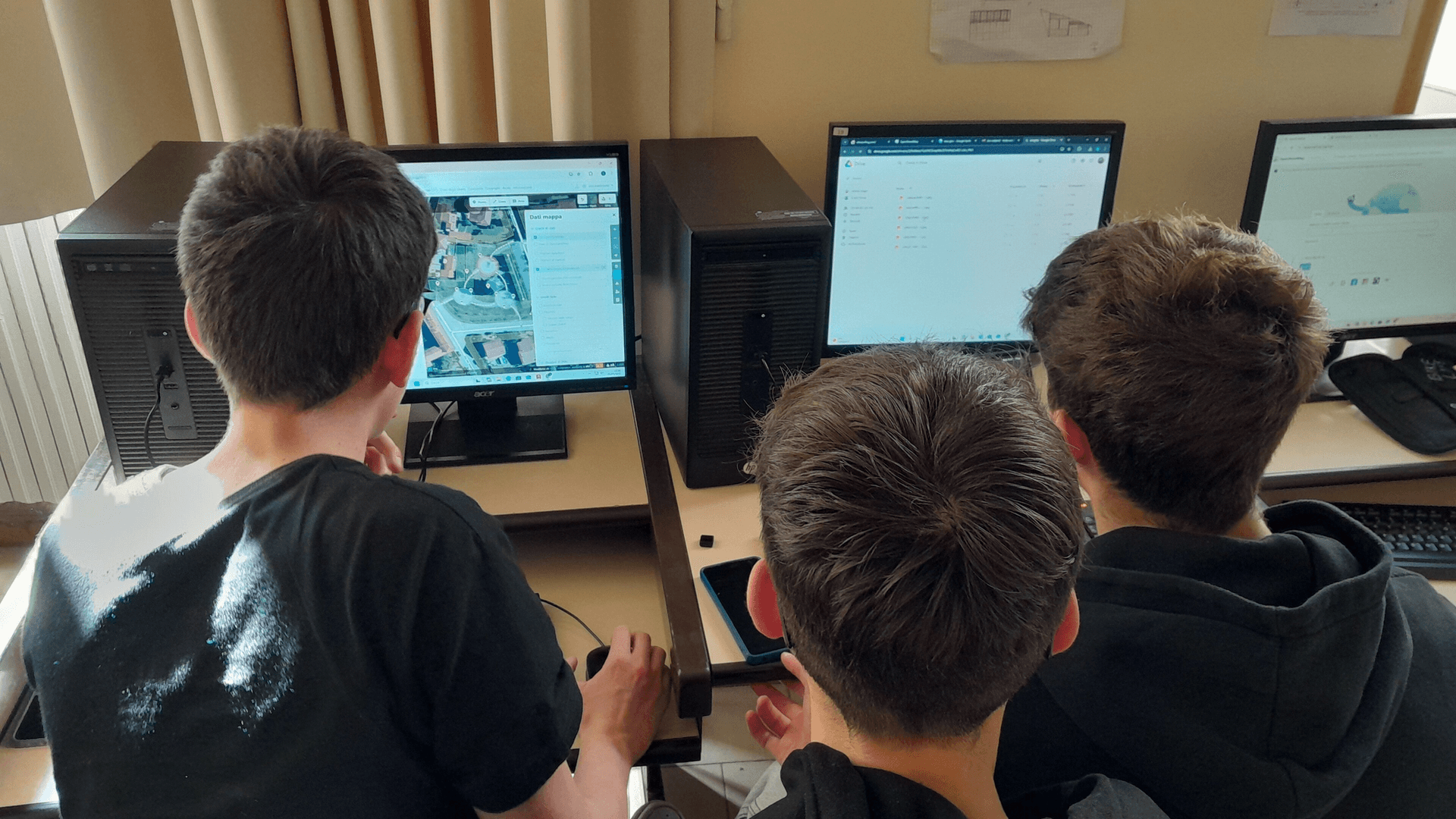
Hero photo: Pupils working at computer screens, seen from behind. Photo by Matteo Fantino, via Wikimedia Commons, CC BY-SA 4.0 (cropped).

Take our professional IQ test

Want to know your IQ? Try the first ever professional online IQ test.

Try our IQ test
Author
Dr. Russell T. WarneChief Scientist

Contact